As a seasoned rivet supplier, I’ve encountered numerous clients who are unsure about when a rivet needs to be replaced. Rivets are crucial components in various industries, from automotive to aerospace, and their integrity can significantly impact the safety and functionality of the structures they hold together. In this blog, I’ll share some key indicators that can help you determine if a rivet needs to be replaced. Rivet
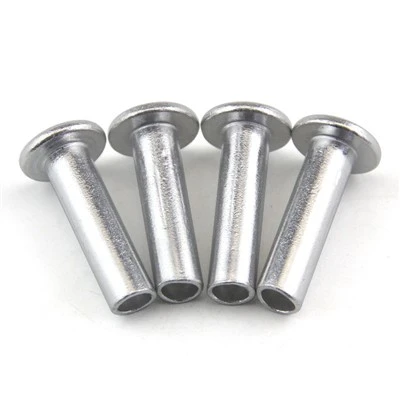
Visual Inspection
One of the most straightforward ways to assess the condition of a rivet is through a visual inspection. Start by looking for any signs of physical damage, such as cracks, chips, or deformation. Cracks can occur due to excessive stress, fatigue, or corrosion, and they can significantly weaken the rivet. If you notice any cracks, it’s a clear indication that the rivet should be replaced.
Chips or missing pieces of the rivet head can also be a cause for concern. These defects can reduce the rivet’s ability to hold the materials together securely, leading to potential loosening or failure. Additionally, deformation of the rivet, such as bending or flattening, can indicate that it has been subjected to abnormal forces and may no longer be able to perform its intended function.
Another visual cue to look for is corrosion. Rivets are often exposed to harsh environments, including moisture, chemicals, and extreme temperatures, which can cause them to rust or corrode over time. Corrosion can weaken the rivet and compromise its integrity, making it more likely to fail. If you see signs of rust or corrosion on the rivet, it’s important to replace it as soon as possible to prevent further damage.
Looseness or Movement
A loose or moving rivet is a serious issue that should not be ignored. Rivets are designed to provide a permanent and secure connection between two or more materials, so any signs of looseness can indicate a problem. To check for looseness, gently try to move the materials that are held together by the rivet. If you feel any movement or if the rivet itself seems to be loose, it’s likely that it needs to be replaced.
Looseness can occur due to a variety of reasons, including improper installation, excessive vibration, or wear and tear over time. In some cases, the rivet may have been installed with too little force, causing it to not fully expand and grip the materials properly. In other cases, the constant movement and vibration of the structure can cause the rivet to gradually loosen.
Shearing or Pull-Out
Shearing occurs when the rivet is subjected to a force that causes it to break or separate along its axis. This can happen when the rivet is overloaded or when it is exposed to sudden, high-impact forces. Pull-out, on the other hand, occurs when the rivet is pulled out of the materials it is holding together. This can happen if the rivet is not properly installed or if the materials it is holding are too thin or weak.
If you suspect that a rivet has sheared or pulled out, it’s important to inspect the area carefully. Look for signs of damage to the rivet or the materials it is holding, such as cracks, holes, or deformation. If you find any evidence of shearing or pull-out, the rivet should be replaced immediately to prevent further damage and ensure the safety of the structure.
Fatigue
Fatigue is a common cause of rivet failure, especially in applications where the rivet is subjected to repeated stress or vibration. Over time, the constant cycling of stress can cause small cracks to form in the rivet, which can gradually grow and lead to failure. Fatigue can be difficult to detect visually, as the cracks may be very small and not visible to the naked eye.
To check for fatigue, you can use non-destructive testing techniques, such as ultrasonic testing or magnetic particle inspection. These methods can detect the presence of cracks and other defects in the rivet without causing any damage to it. If you suspect that a rivet may be experiencing fatigue, it’s important to have it tested by a qualified professional as soon as possible.
Age and Usage
The age and usage of the rivet can also be important factors in determining whether it needs to be replaced. Rivets that have been in service for a long time are more likely to experience wear and tear, corrosion, and fatigue. Additionally, rivets that are used in high-stress applications or in harsh environments are more likely to fail than those used in less demanding applications.
As a general rule, it’s a good idea to inspect rivets regularly and replace them if they show any signs of damage or wear. The frequency of inspection will depend on the application and the environment in which the rivet is used. In some cases, it may be necessary to replace rivets on a preventive basis, even if they do not show any obvious signs of damage.
Conclusion
Determining whether a rivet needs to be replaced is an important part of maintaining the safety and functionality of the structures it holds together. By performing regular visual inspections, checking for looseness or movement, looking for signs of shearing or pull-out, testing for fatigue, and considering the age and usage of the rivet, you can identify potential problems early and take appropriate action.
Rivet If you have any questions or concerns about rivet replacement, or if you need help selecting the right rivets for your application, please don’t hesitate to contact us. As a leading rivet supplier, we have the expertise and experience to provide you with the highest quality products and services. We look forward to working with you to ensure the success of your projects.
References
- ASME Boiler and Pressure Vessel Code, Section VIII, Division 1
- ASTM International Standards for Fasteners
- National Fire Protection Association (NFPA) Codes and Standards
- Society of Automotive Engineers (SAE) Standards
Wuyuan Jieyi Automotive Electrical Appliance Co., Ltd.
As one of the most professional rivet manufacturers and suppliers in China, we’re featured by quality products and good service. Please rest assured to wholesale bulk durable rivet in stock here from our factory. We also accept customized orders.
Address: No. 7 Likeng Road, Industrial Park Wuyuan County, Shangrao City, Jiangxi Province
E-mail: wyjydqz@163.com
WebSite: https://www.wyjydq.com/
