Hey everyone, Complete Production Lines
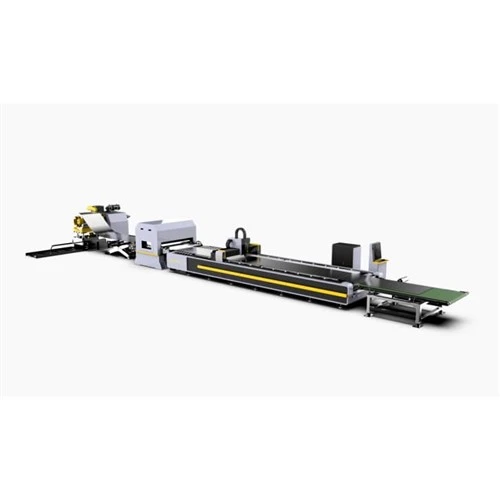
If you’re in manufacturing – whether you make snack bars, small electronics parts, or even medical devices – you’ve probably heard the term “automated complete production lines” thrown around. But if you’re still running partial manual setups or mixing old machines with new ones, you might be wondering: is ditching my old way worth the hassle? As a supplier that builds these exact lines (I’m not gonna name-drop here, just know we’ve installed 120+ across 15 industries in the last 8 years), I talk to factory owners every week who’re on the fence. Today I wanna break down the real, not-just-marketing advantages of going fully automated, no fluff.
First off, let’s cut to the most obvious pain point everyone deals with: labor. Wait, not just “labor costs” – let’s be real, manual production lines have so many hidden labor headaches. Think about it: if your line relies on people to load parts, check quality, and package goods, you’re dealing with turnover. Factory work isn’t the most glamourous, so new hires quit every 6-12 months, on average. That means training, re-training, lost productivity while someone’s learning the ropes, and even overtime when you’re short-staffed. Our clients that switched to full automated lines cut their labor costs by 30-50% on average, according to post-install surveys. But the underrated win here is consistency with staffing. A fully automated line runs 24/7 (we can set that up easy, if your facility’s got power) with zero breaks, zero sick days, zero quitting mid-shift. No more begging temp agencies for last-minute workers when someone calls out. That stability is huge for meeting client deadlines, especially if you do bulk orders.
Next up, quality control – and this is where manual lines mess up so bad. Humans are fallible. Even the most skilled line worker will zone out for 2 seconds, miss a tiny defect, or mix up a part size. For example, a client of ours that makes lithium-ion battery packs used to have a manual inspection step where 2-3 faulty packs slipped through every 1,000. After installing our automated line’s built-in vision scanners and part-matching sensors, that defect rate dropped to 0.03 defects per 1,000. That’s not just better product – that’s less waste, less returns, less reputational damage when a bad batch gets out. Automated complete production lines tie quality checks into every single step, not just a separate “inspect at the end” step. So you catch a faulty component before it’s even assembled, not after you’ve spent time and materials building a whole product wrong. Speaking of materials… waste reduction is another massive advantage. Manual lines often have human error leading to over-ordering parts, spilling raw materials, or misaligning parts that get tossed. Our automated lines use real-time data to only use exactly what’s needed for each unit. A snack food client told us they cut food waste by 28% in the first 6 months – that’s not just saving money, it’s better for the planet too, which is a big deal for brands marketing sustainability these days.
Wait, let’s talk about production speed – but not just “going faster.” It’s sustainable speed. A manual line might max out at, say, 50 units an hour, and even that only happens if every worker is perfectly in sync, no slowdowns, no breaks. Automated lines can run at a steady, calibrated speed that’s way higher, and most importantly, consistent. One of our electronics clients went from 70 units per hour to 220 units per hour after their line was installed, and they didn’t have to add more workers to make that happen. That means you can take on larger orders, meet tight deadlines, and even expand your client base without scaling up your headcount. Also, if you need to switch products (like a cereal maker switching from corn flakes to rice krispies), modern automated lines can do that changeover way faster than manual. Old manual setups might take 4-5 hours to reconfigure for a new product; our lines use pre-programmed settings, so changeovers take 30-60 minutes. That’s huge for small-batch, custom orders that a lot of factories can’t handle because changeovers are too costly.
But here’s something a lot of people don’t think about: data access. Full automated lines are connected to a central system that tracks every single step – how many units are produced, when a part needs to be replaced, where bottlenecks are, even energy usage. You can pull real-time reports instead of waiting for a weekly spreadsheet from your ops team. For example, if your line’s packaging step is slowing down for some reason, the system will flag that in 2 minutes, so you can fix it instead of losing 4 hours of production before someone notices. That data also helps with predictive maintenance – the system will tell you when a machine part is gonna wear out, so you can replace it during a scheduled downtime, not in the middle of a big order. No more unexpected breakdowns that halt your entire line for a day (or more, if parts take time to ship). Our clients see a 20% reduction in unplanned downtime after switching to automated lines, which translates to way more uptime and revenue.
Okay, let’s address the elephant in the room: upfront cost. I’m not gonna lie, automated complete production lines are a bigger initial investment than a manual line or mixing old machines. But let’s do the math here. Let’s say you spend $250,000 on a line, and you’re saving $10,000 a month on labor, waste, and downtime. That’s a payback period of just over 2 years. And that’s average – some clients pay back in 18 months if their waste was really high or their turnover was brutal. Also, we offer flexible financing and retrofit options if you don’t want to rip out all your old machines. We can build a line that integrates with your existing equipment, so you don’t have to start from scratch. Another point: regulatory compliance. A lot of industries (medical devices, food, automotive parts) have strict rules about production records, quality standards, and safety. Automated lines automatically log every step, which makes audits way easier. No more filling out messy paper logs that have typos or missing entries. That’s not just a time-saver – it avoids fines or shutdowns for non-compliance, which can cost way more than the line itself.
Wait, is there a catch? Yeah, a small one: you need people to operate and maintain the line, not just watch it. But that’s way simpler than managing a crew of line workers. Our teams offer training that takes 1-2 weeks for your existing ops team, not months. You don’t need to hire super engineers – just people who can follow the training, check the occasional sensor, and troubleshoot minor issues. That’s way easier than recruiting and training line workers, who we already know have high turnover.
Let me give a real quick example: a small medical device maker we worked with last year. They were struggling to keep up with orders for a portable glucose monitor, had 15% defect rates, and were losing 2 weeks a year to turnover and unscheduled downtime. They installed our automated line, cut their labor costs by 40%, defect rates to 0.05%, and now they can meet all their client orders plus take on 2 new clients. They said the line paid for itself in 21 months, and that was with adding one part-time maintenance person.
If you’re reading this and thinking, “Maybe an automated line is right for me but I don’t know where to start,” here’s the thing: we don’t do one-size-fits-all. Every factory’s needs are different – whether you’re making 10,000 units a month or 100,000, whether you’re switching products often or making one product 24/7, we build lines tailored to your space, your budget, and your production goals. We don’t push lines that are too big for you, or that you don’t need.
At the end of the day, the main advantages aren’t just “automation is cool” – they’re tangible: lower long-term costs, better product quality, more consistent production, less waste, less stress from labor headaches, and easier compliance. If you’re tired of the same old production headaches, and you want to scale without the usual growing pains, it’s worth looking into a full automated line.
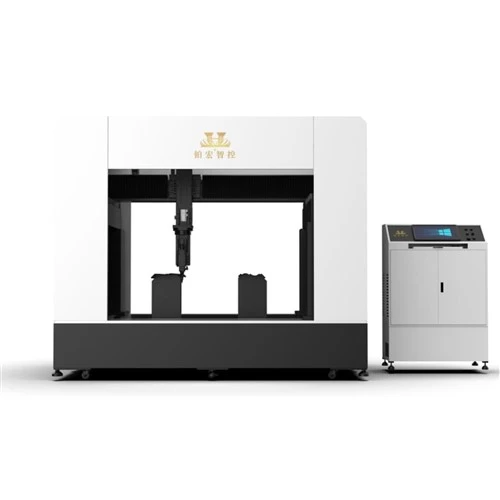
If you’re ready to chat through what would work for your factory, feel free to reach out to our team to set up a consultation. We’ll walk you through your current setup, outline exactly what the line would look like, and go over cost and timeline options – no sales pitch, just real talk.
Coil Fed Laser Cutting Production Lines References:
- International Labour Organization (ILO). (2022). Manufacturing Labor Turnover Trends and Costs. Retrieved from industry-specific labor reports on operational efficiency.
- Society of Manufacturing Engineers (SME). (2023). Automated Production Line Quality and Waste Reduction Metrics. Retrieved from SME’s annual industrial automation benchmark study.
- U.S. Department of Energy (DOE). (2021). Industrial Energy Efficiency: Automated Production Systems Impact. Retrieved from DOE’s Office of Energy Efficiency & Renewable Energy publications.
- National Institute for Occupational Safety and Health (NIOSH). (2022). Automation and Workplace Safety in Manufacturing. Retrieved from NIOSH’s industrial safety guidelines for automated production.
Yongkang City Bohong Intelligent Equipment Co., Ltd.
As one of the most reliable complete production lines manufacturers and suppliers in China, we also support customized service. With abundant experience, we warmly welcome you to buy advanced complete production lines from our factory. If you have any enquiry about quotation, please feel free to email us.
Address: No. 176 Yinggui North Road, Chengxi New Area, Yongkang City, Zhejiang Province
E-mail: bohonglasertech@Outlook.com
WebSite: https://www.bohonglasertech.com/
