If you’ve ever watched a welding process, you’ve probably seen a bunch of different materials being used—metals for the base, shielding gas to keep oxidation out, electrodes to carry the current. But one material that’s often flying under the radar, especially when you’re sourcing high-performing supplies, is graphite. As someone who’s been in the graphite supply game for over a decade, I get it: most folks don’t think about graphite until something goes wrong with their welds, like uneven penetration or electrode wear. But graphite isn’t just a random add-on—it’s a workhorse that makes modern welding possible. Let’s break down exactly what it does, why it matters, and why sourcing the right graphite is non-negotiable for your shop. Graphite
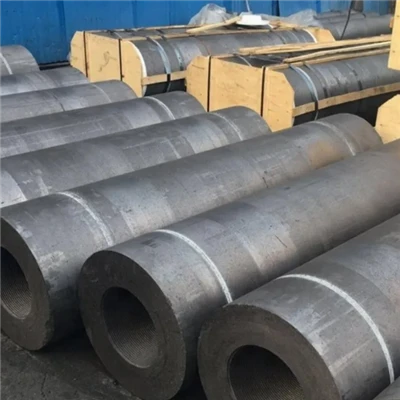
First, let’s talk basics: what even is graphite in welding? It’s not the pencil lead you used in middle school—those are mostly clay. Welding-grade graphite is pure, dense, and has a super high melting point (around 3,600°C, way hotter than the 1,538°C melting point of steel). That heat resistance is why it’s such a key player. Most people encounter graphite in two main welding tools: electrodes for TIG welding, and consumable parts like nozzles, collets, and holders for MIG/MIG welding. Wait, TIG electrodes are usually tungsten, right? Yeah, but a lot of high-end TIG setups use graphite inserts too—more on that later.
Let’s start with TIG welding, since that’s where graphite’s biggest impact shows up. TIG (Tungsten Inert Gas) welding uses a non-consumable tungsten electrode to create the arc that melts the base metal. But if you’re welding anything thicker than a few millimeters, or working with reactive metals like aluminum, titanium, or stainless steel, you need more than just the electrode. That’s where graphite comes in as a backing plate. Think about it: when you weld two pieces of steel together, you want the weld pool to penetrate all the way through, not just stop halfway. If you weld without a backing, the bottom of the weld can sag, or you get “burn-through” where the metal melts too much and falls out. Graphite backing plates fix that. They sit directly under the gap between your two workpieces, holding the weld pool from below while the top of your weld cools evenly. Because graphite doesn’t stick to molten metal (that’s a big one—no cleanup headaches), you don’t have to scrape weld residue off the plate every time. I’ve seen shops use cheap steel backing plates, but steel can melt and stick, leading to ruined welds. Graphite’s heat resistance means it can handle repeated passes without warping or breaking down. I remember a regular customer who runs a shop building custom truck frames—switched from steel to our high-density graphite backing plates and cut his prep time for welds in half. No more chipping rusted steel fragments off finished frames.
Then there’s MIG welding, which is faster for high-volume work, and here graphite does a few different jobs. MIG uses a consumable wire electrode, but the nozzle that surrounds it is usually copper—wait, why graphite there? Oh, right, copper is a great conductor, but it can get hot during long welds, leading to spatter buildup. Welding spatter is those tiny molten metal droplets that fly off and stick to everything, and if it builds up on a copper nozzle, it can block the gas flow—your shielding gas (like argon) needs to cover the weld pool to keep oxygen and nitrogen out, otherwise you get porous, weak welds. Graphite nozzles? They’re not as good a conductor, but they resist spatter like crazy. The smooth, non-reactive surface means spatter balls up and falls off, no scrubbing needed between jobs. I know a guy who runs a fabrication shop doing 100+ MIG welds a day—he swears by graphite nozzles and goes through 70% fewer of them than he did with copper. Plus, graphite is way cheaper to machine than copper, so if you have a custom shop, you can cut your own graphite holders for odd-sized nozzles without paying a machine shop premium.
Wait, let’s not forget about electrode holders and collets. For both TIG and MIG, the collet is the part that grips your electrode, making sure the current flows evenly. If the collet is a bad conductor (or wears out), you get a wobbly electrode, inconsistent arc, and uneven welds. Graphite collets are perfect here because they’re lightweight, conduct electricity well enough, and don’t wear down as fast as brass collets. Brass collets can get brass transferred to your electrode over time, which contaminates welds on sensitive metals like aerospace titanium. Graphite collets? No contamination, no sticking, and they last 3x longer than brass ones in high-use shops. I had a customer in the aerospace industry tell me they switched to graphite collets after a batch of parts got rejected because of brass contamination—saved them over $10k in rework that quarter.
Now, let’s address a common misconception: is graphite only for high-end specialty welding? No, even hobbyist welders use it, often without realizing it. If you’ve ever welded a thin sheet of metal and used a fire brick or charcoal block to hold the back, you’ve basically used a primitive graphite alternative (charcoal is a form of amorphous graphite, but not as pure). But using pure, dense welding-grade graphite gives way better results, especially for consistent, repeatable welds. For hobbyists who do weekend projects, a small graphite backing plate or nozzle will pay for itself in no time—no more ruined projects from burn-through or spatter.
But why does sourcing the right graphite matter so much? Not all graphite is created equal. There’s amorphous graphite, which is cheap but has low heat resistance, and flake graphite, which is okay but has inconsistent density. Welding-grade graphite is isostatically pressed—meaning it’s compressed equally from all sides, so it’s super dense, has no internal gaps, and doesn’t crack under repeated heat cycles. If you buy cheap graphite from a random supplier, it might have impurities that stick to welds, or it could crack mid-weld, ruining your workpiece. I see it all the time: welders go for the cheap option, end up with a $500 part ruined, and waste more money than they would have spent on quality graphite. That’s where we come in. We don’t sell the pencil lead stuff, or the low-grade amorphous graphite that’s great for batteries but not for welding. Our graphite is isostatically pressed, pure, and tested for heat resistance—we’ve been supplying shops large and small for years, so we know exactly what works for different welding applications.
Let’s talk about another use case: submerged arc welding (SAW), which is used for thick metal parts like pipelines and structural steel. SAW uses a layer of flux to cover the weld pool, but graphite is used here as a die to shape the weld bead. Because SAW produces really high heat, the graphite die holds the molten metal in shape as it cools, so you get a smooth, uniform bead instead of a lumpy one. For pipeline welders, consistency is everything—any flaw in the weld can lead to leaks or failures down the line. Graphite dies ensure that every weld meets industry standards, which is non-negotiable for pipeline projects. I’ve supplied graphite dies to a couple of pipeline construction crews, and they told me the dies can last for thousands of weld passes, way longer than any other material they’ve tried.
Wait, is there a downside to graphite? Let’s be real, no material is perfect. Graphite is a softer material than copper or steel, so it can wear down faster if you’re doing a lot of heavy-duty welds without proper care. But for most applications, the tradeoff is worth it—less spatter cleanup, fewer ruined welds, longer part life. Also, graphite is a good lubricant, right? So if you’re handling parts that need to slide, a light coating of graphite works better than oil, which can contaminate welds. Some welders even use graphite paste to lubricate their electrodes, making them easier to change without bending or breaking. That’s a little trick a lot of new welders don’t know, but it saves so much time.
So why should you care about graphite beyond just “it’s a welding part”? Welding isn’t just about putting two pieces of metal together—it’s about doing it right, every time. If you’re a small shop, quality graphite means less rework, lower costs, faster turnaround for customers. If you’re a large operation, it means consistent welds that meet codes, less downtime from changing parts, and less waste. I’ve seen shops grow because they invested in the right supplies, and graphite is one of those unsung heroes that adds up to big savings over time.
A lot of welders tend to stick to the same parts they’ve always used—copper nozzles, steel backing plates, whatever’s cheap. But trying a high-quality graphite product can completely change your process. I can think of a regular customer who runs a custom furniture shop—he was struggling with MIG nozzle spatter so bad he was changing nozzles every 2 hours. Switched to our graphite nozzles, and he goes through one a week now. That’s a huge time saver, not to mention the money he’s saving on parts. For him, it’s not just about the nozzle—it’s about being able to focus on building furniture instead of scrubbing spatter off nozzles.
Now, if you’re ready to test out quality graphite for your welding, we’re here to help. Whether you need custom-sized backing plates, standard MIG/TIG nozzles, collets, or specialty dies for SAW, we can supply exactly what you need. We work with every type of welder, from hobbyists doing weekend projects to large industrial shops working on pipelines and aerospace parts. No order is too small, no request is too custom. We know that the right supplies make the difference between a good weld and a great one, and we’re here to make sure you have what you need to get the job done right.
So next time you’re prepping for a big weld, don’t overlook graphite. It’s not the flashy part, but it’s the one that keeps your welds strong, consistent, and hassle-free. If you want to chat about what graphite products would work best for your specific welding needs, feel free to reach out. We’re always here to answer questions, share tips, and help you find the right supplies to boost your welding process.
Regular Power Graphite Electrode References:
- Welding Processes and Applications, AWS Press, 2021
- Graphite Materials for Industrial Applications, Carbon Society of America, 2019
- Submerged Arc Welding: Principles and Practice, Elsevier, 2020
- Welding Consumables and Tooling Handbook, Lincoln Electric, 2022
Hebei Fengchao Import and Export Co., Ltd.
Hebei Fengchao Import and Export Co., Ltd. is one of the most professional graphite manufacturers and suppliers in China. As we have world-leading production equipment and strong manufacturing capabilities, we warmly welcome you to wholesale bulk premium graphite made in China here from our factory. Also, quotation is available.
Address: Yigao Intelligent Plaza, Building A, Congtai District, Handan City, Hebei Province, China
E-mail: China@fc-graphite.com
WebSite: https://www.fc-graphite.com/
