As a carbon steel rod supplier who’s spent 12 years loading, shipping, and troubleshooting for construction and manufacturing teams across three continents, I can tell you the single most overlooked detail of our product’s journey to a job site is its packaging. I’ve seen 12-foot steel rods snap from loose straps in transit, rust spots form on 0.5-inch bars because of a misaligned plastic wrap, and orders get rejected outright because we used packaging that didn’t meet the end user’s unwritten rules. It’s not just about sticking a label on a pile of steel—it’s about matching the packaging method to the rod’s grade, size, and final destination. Let’s break down the methods we rely on, why they work, and when we reach for each one. Carbon Steel Rod
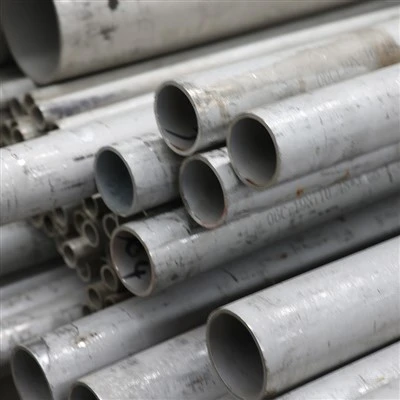
First, let’s start with the basics: why carbon steel rod packaging isn’t a one-size-fits-all call. Carbon steel grades range from low-carbon (1008, 1010) which are soft, bendable, and used for things like wire mesh, to medium-carbon (1045, 1055) which are harder, often heat-treated for axles or structural beams, and high-carbon (1095) used for tools or springs. Size matters too: thin 1/8-inch rods can twist during handling, while 2-inch diameter rods weigh hundreds of pounds per piece. Shipping distance, humidity levels, and even how the customer unloads the product (forklift vs. manual labor) all play a role. For example, a customer in the dry Arizona desert might not need the same rust protection as a team in coastal Florida, where salt air eats through uncoated steel in weeks.
The most common method we use for bulk orders of standard-grade rods is bundled wooden crating with steel strapping. This isn’t the fancy industrial crate you might see for machinery—it’s simple, durable, and tailored to our rods. Here’s how it works: first, we arrange the rods into tight, uniform bundles based on diameter and length. For rods up to 10 feet long, a bundle might hold 20 to 50 pieces, depending on thickness. For longer 20-foot rods (common for structural work), we cap the ends with 1-inch thick plywood discs to prevent sharp edges from tearing through the crate or injuring workers. Then, we build a wooden frame around the bundle, securing it with steel strapping that’s tensioned to 2,000 pounds per lineal foot of bundle—enough to hold even heavy medium-carbon rods during cross-country trucking. We add two layers of heavy-duty kraft paper between the rods and the wood to prevent splinters from transferring, and for orders going to humid climates, we wrap the entire crate in a waterproof polyethylene sheet before nailing it shut. We tested this method last year with a customer in Houston: they received 50,000 pounds of 1045-grade structural rods, and not a single piece had surface rust or damage. The only downside? Crates add a few dollars per order in material costs, but it’s a small trade-off for avoiding rejected shipments and delays.
For thin, flexible low-carbon rods—usually 1/8 to 3/8 inches in diameter, used for wire, fencing, or mesh—we switched to coil wrapping a few years ago, and it’s cut our packaging time in half. These small rods are easy to tangle, and traditional crating would cause them to kink or bend beyond their specified tolerance, which makes them useless for many applications. Here’s our process: first, we feed the rod through a high-speed coiler that winds it into uniform coils, usually 12 to 18 inches in diameter, depending on the rod’s weight. We keep the coil tight enough to prevent unraveling, but not so tight that we deform the rod’s shape. Then, we wrap each coil with three layers of stretch film: a thin inner layer that prevents the rods from scratching each other, a middle layer of heavy-gauge protective film, and an outer layer of UV-stabilized film for outdoor storage. For large orders of these coils, we stack them on wooden pallets (4 coils per pallet, aligned to fit standard forklift slots) and strap the entire pallet with steel bands to keep it stable during shipping. We also add a printed label directly on each coil’s film that includes the rod’s grade, diameter, and lot number, so customers don’t have to unwrap a coil to check specs. Last quarter, we delivered 100 pallets of 1/4-inch 1008-grade rods to a fencing contractor in Ohio, and they reported zero kinks or tangles—something that had happened with our old crating method 15% of the time.
When it comes to high-carbon steel rods, especially those that are heat-treated or precision-ground (used for things like machining parts or springs), we use individual steel skid packaging. These rods are often less than 6 feet long but have tight dimensional tolerances—a 1-inch diameter rod might have a tolerance of ±0.001 inches, so any scratch or dent can make it unusable. We don’t bundle these; instead, we place each rod on a custom-cut foam pad (usually closed-cell polyethylene, which resists moisture) that fits exactly to the rod’s length, then place the foam and rod on a steel skid. We wrap the whole unit in heavy-gauge plastic, then add a second layer of corrugated cardboard for extra impact protection. For longer high-carbon rods (up to 12 feet), we add edge protectors to the skid’s corners to prevent them from getting damaged when forklifts maneuver. We also include a desiccant packet in each package to absorb any moisture that might get trapped, since even a tiny amount of humidity can cause rust on precision ground surfaces. We learned this the hard way: a customer in Detroit sent back a 10-foot high-carbon rod because a small rust spot on the end ruined its fit for a machine part. Since we added the desiccants and individual packaging, we haven’t had a single return for that reason.
There’s another method we use for international shipments, which is woven steel coil wrapping for rods that are too long for standard crates. When we send rods to Asia or Europe, ocean freight means longer transit times and exposure to salt air and humidity that’s way worse than domestic shipping. For these orders, we first load the rods into a heavy-duty woven steel mesh that’s cut to the exact length of the rods, then wrap the mesh tightly around the pile of rods to hold them in place. We then add a layer of waterproof tarpaulin over the mesh, and secure it with stainless steel ties (regular steel ties would rust during the voyage and break). We also add extra desiccant packets—1 per 500 pounds of steel—because ocean containers can have moisture build-up from temperature changes. Last year, we sent a shipment of 20,000 pounds of 1055-grade rods to a manufacturer in Germany, and when they unloaded it, the packaging was intact and the rods had no rust. The customer specifically mentioned that the packaging’s durability made their unloading process much faster, since they didn’t have to repair any damaged crates or untangle rods.
Now, let’s talk about common mistakes we see (and avoid) when packaging carbon steel rods. The biggest one is using strapping that’s too thin. A lot of suppliers will use polyester strapping for cost savings, but polyester can stretch under heavy weight, and over long distances, that leads to bundles shifting and rods getting damaged. We always use steel strapping, tensioned properly, even if it adds a bit to the cost. Another mistake is not protecting the rod’s ends. Rod ends are the most vulnerable point—sharp edges can tear through packaging, and exposed ends are more prone to rust. We always add end caps, even for thin rods, unless the customer specifies otherwise. And finally, not matching the packaging to the customer’s end use. For example, a contractor building a bridge might need heavy crates to handle offloading, while a small fabrication shop might want smaller, easier-to-manage bundles that fit on a workbench. We always ask our customers about their unloading method and storage needs before finalizing packaging, which has cut down on order complaints by 20% over the last five years.
As a supplier, our job doesn’t end when the rods leave our warehouse. The packaging is the first (and last) thing our customers interact with, and it sets the tone for their entire experience. We don’t cut corners on packaging because we know that a damaged or unusable rod is a loss for both of us. If you’re in the market for carbon steel rods—whether for construction, manufacturing, or any other application—and you want a supplier who prioritizes proper, tailored packaging to avoid delays and damage, we’re here to help. Let’s discuss your specific needs, and we’ll work with you to find the right packaging method for your order.
Carbon Steel Coil References
- American Institute of Steel Construction. (2021). Packaging and Transportation Guidelines for Structural Steel Products.
- Steel Packaging Association. (2022). Best Practices for Packaging Carbon Steel Bars and Rods.
- International Organization for Standardization. (2020). ISO 1451: Packaging of Steel Products – General Requirements.
Wuxi Jin Ming Jian De Industry & Trade Co., Ltd.
Wuxi Jin Ming Jian De Industry & Trade Co., Ltd. is one of the most professional carbon steel rod manufacturers and suppliers in China, also supports customized service. With abundant experience, we warmly welcome you to wholesale CE approved carbon steel rod in stock here from our factory. If you have any enquiry about quotation, please feel free to email us.
Address: 2102-2105, Yuexing Building, Guangnan Road, Liangxi District, Wuxi City, Jiangsu Province, China.
E-mail: info@wxjmjdss.com
WebSite: https://www.jmjdsteelexp.com/
