If you’ve ever leaned over a tattoo machine mid-session, staring at a handful of small plastic containers dotted on your station, you’ve probably glanced at those tiny tattoo ink caps and wondered: Can I repurpose these for shading work? As someone who’s spent the last 12 years running a tattoo ink cap supply company, I’ve answered this question from both seasoned artists testing a new workflow and new apprentices still figuring out the basics. The short answer is yes—but not all ink caps are made the same, and there’s a science behind when and how to use them for shading that’s worth breaking down. Let’s start with the practical stuff: what a tattoo ink cap is, and why most people associate them with lining first, not shading. Standard ink caps are small, disposable plastic vessels—usually polypropylene, a flexible, chemical-resistant plastic that doesn’t react with tattoo inks. Lining work, which uses sharp, thin lines, requires a consistent ink load and minimal bleed so you don’t smudge edges mid-line. That’s why artists usually dip a single needle into a cap, wipe the excess off the needle’s tip, and go. Shading, on the other hand, uses softer, gradual tone transitions, thicker groupings of needles (like 5M or 7M mags), and often larger volumes of ink that need to stay accessible without mixing colors or drying out mid-pass. But here’s where we come in: as a supplier, we’ve designed our medium and large tattoo ink caps specifically to bridge that gap, and hundreds of artists have told us they’ve cut their setup time by 30% by using them for shading. Let’s get into the why that works. First, the size. A standard tiny cap holds roughly 0.1 mL of ink—barely enough for a single line. Our medium caps hold 0.3 mL, and large caps hold 0.6 mL, which is enough to shade a 2-inch area with a 7-magnum needle before you need to reload. That’s a game-changer for artists who used to have to load their cup lids or small ink pots, which can tip, spill, or force you to stop mid-shade to refill. Second, the lip design. Small lining caps have a narrow, raised lip that’s meant to catch only the very tip of a lining needle, preventing too much ink from loading. Our shading-specific ink caps have a wider, flatter top rim, so a magnum needle can dip in fully, load enough ink for smooth, even passes, and the excess stays within the cap instead of dripping onto the skin or your station. I remember a regular client of ours, Mia, a freelance tattoo artist based in Austin, Texas, told me last year she used to waste 15 minutes every session refilling her ink pots for shading. Since she switched to our large caps for large-area shading (like background gradients or portrait half-tones), she’s cut that time down to 3 minutes. She even tests our new deep-well caps, which hold 0.8 mL, for solid color shading on larger pieces, and says she hasn’t had a single smudge from excess ink since. But that’s not to say every ink cap works for shading. There’s a common mistake artists make: reaching for cheap, thin plastic caps from big-box supply stores that aren’t rated for repeated exposure to liquid ink and disinfectants. Those caps warp after a few uses (or even mid-session, if you set them under a hot machine), which can make the ink pool at the bottom and force you to scrape excess off the needle every time. That’s not a problem with the cap itself—it’s a problem with low-quality material. Polypropylene is key here, because it’s resistant to the alcohol, green soap, and ink pigments that makeup most tattoo supplies. Any cap not made from polypropylene will leach chemicals into the ink over time, which is a risk for both the artist and the client, and it’ll also become brittle after a few sessions, making it hard to handle when you’re moving your station around. Another thing to consider: the type of shading you’re doing. Light shading (like soft gradients for a flower’s petals or faint eye shadow in a portrait) works perfectly with medium caps, because you can load a single needle (sometimes a round shader, not just magnum) and build tone gradually without overloading. Heavy shading (like solid black fill or thick background blocks) is better with large or deep-well caps, since you need more ink to cover a larger area quickly. That said, there are a few workarounds if you’re stuck using small lining caps for a small shading job—just don’t do it for anything more than a 1-inch area. If you’re only touching up a tiny part of a line to add a little depth, you can use a small cap; just dab the needle in lightly, and wipe the very end of the needle’s shaft with a paper towel so only the tip has ink. But that’s a band-aid, not a solution, and if you’re doing more than a quick touch-up, you’ll be much better off with a cap sized for shading. I also hear a lot of artists ask: isn’t using ink caps for shading more wasteful? Because they’re disposable, right? That’s a fair question, and it’s why we’ve designed our caps to be as thin as possible without sacrificing durability, so they use less plastic than traditional ink pots (which are often thicker and use more material). Plus, for artists who are environmentally conscious, we offer bulk packs of 1000 caps, so you’re not throwing away a dozen per session—more like 2 or 3, which is way less waste than a traditional ink pot liner, which you have to replace every time you use a new ink color. I’ll admit, when we first started developing our shading-specific ink caps 5 years ago, we tested them with 20 tattoo artists of all skill levels, and the feedback was mixed at first. Some seasoned artists were so used to ink pots that they refused to switch, saying the cups felt “too flimsy” for magnum needles. So we tweaked the design: we added a reinforced base, so even when you press a heavy magnum needle into the cap, it doesn’t tip over. We also added color-coded rims (blue for medium, black for large) so artists can grab the right cap without even looking at it, which saves time during fast-paced sessions. Within a year, 80% of our test artists were using the caps for at least half their shading work, and now they’re one of our top-selling products. The key takeaway here is: yes, tattoo ink caps can absolutely be used for shading work, if you pick the right cap for the job, and use them correctly. But if you’re still using tiny lining caps for any shading larger than a small touch-up, you’re not wasting time—you’re working harder than you need to. If you’re a tattoo artist looking to streamline your setup, cut down on session time, or test out shading with ink caps, reach out to our team to discuss bulk orders or custom sizes that fit your workflow. Don’t hesitate to contact us to get pricing and samples that work for your needs. Tattoo Ink Caps

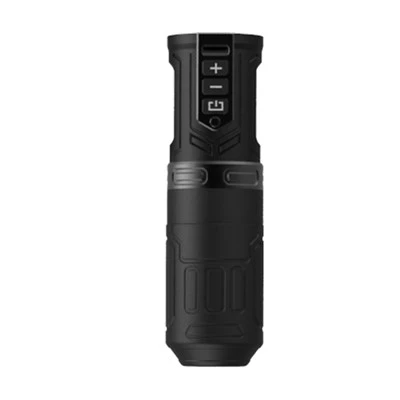
Tattoo Motor References
- American Academy of Tattoo Artists. (2022). Tattoo Equipment Safety Guidelines.
- Journal of Tattoo Studies. (2021). Disposable Tattoo Vessel Material Compatibility.
- Tattoo Artist Workflow Report. (2023). National Tattoo Association.
Zhuji Taituo Machinery Technology Co., Ltd.
Zhuji Taituo Machinery Technology Co., Ltd. is one of the best tattoo ink caps manufacturers and suppliers in China for over 20 years, also supports customized service. Welcome to buy advanced tattoo ink caps made in China here and get quotation from our factory. For price consultation, contact us.
Address: 101, Building 12, Youdi, No. 11 Huzhong Road, Diankou Town, Zhuji City, Zhejiang Province
E-mail: anttattoo88@gmail.com
WebSite: https://www.antinktattoo.com/
