In today’s market, the demand for sustainable and eco – friendly products is on the rise. As a supplier of biodegradable wipes, I understand the importance of providing consumers with accurate information about different types of these wipes. Biodegradable wipes offer a more environmentally conscious alternative to traditional wipes, which often end up in landfills and take years to decompose. In this blog post, I will explore the various types of biodegradable wipes available, their characteristics, and the benefits they bring. Biodegradable Wipes

What are Biodegradable Wipes?
Before delving into the different types, it’s essential to understand what biodegradable wipes are. Biodegradable wipes are designed to break down naturally over time through the action of microorganisms such as bacteria, fungi, and algae. Unlike non – biodegradable wipes, which can persist in the environment for a long time, biodegradable wipes return to the earth without causing long – term pollution. This makes them an ideal choice for consumers who are concerned about the environmental impact of their purchases.
Types of Biodegradable Wipes
Wood – Pulp Based Biodegradable Wipes
One of the most common types of biodegradable wipes is made from wood pulp. Wood pulp is a renewable resource, and it can be processed into soft, absorbent wipes. These wipes are often used for general cleaning purposes, such as household cleaning, baby care, and personal hygiene.
The production process of wood – pulp based wipes involves sourcing wood from sustainably managed forests. The wood is then turned into pulp, which is further processed to create a non – woven fabric. These wipes are usually treated with natural and biodegradable chemicals to enhance their cleaning properties. For example, they may be infused with plant – based essential oils that have antibacterial and antifungal qualities.
One of the main advantages of wood – pulp based wipes is their high absorbency. They can hold a significant amount of liquid, making them effective for tasks like wiping up spills or cleaning surfaces. Additionally, they are soft on the skin, which makes them suitable for use on sensitive areas. However, they may not be as strong as some other types of wipes, and they can tear more easily if used with excessive force.
Bamboo Based Biodegradable Wipes
Bamboo is another popular material for biodegradable wipes. Bamboo is a fast – growing plant that requires less water and pesticides compared to other crops. It is also a highly renewable resource, as it can be harvested multiple times without causing damage to the environment.
Bamboo – based wipes are known for their strength and durability. They are less likely to tear during use, which makes them suitable for more heavy – duty cleaning tasks. These wipes also have natural antibacterial properties, which can be beneficial for cleaning surfaces and preventing the spread of germs.
In terms of texture, bamboo wipes are often smoother than wood – pulp based wipes. They are also hypoallergenic, which means they are less likely to cause skin irritation. This makes them a great choice for people with sensitive skin, whether for personal care or household use. However, bamboo wipes can be more expensive to produce, which may result in a higher price for consumers.
Cotton Based Biodegradable Wipes
Cotton is a natural fiber that has been used for centuries in various products, including wipes. Cotton – based biodegradable wipes are soft, gentle, and highly absorbent. They are commonly used for baby care, makeup removal, and facial cleansing.
The advantage of cotton wipes is their natural origin. They are made from 100% cotton, which is free from synthetic chemicals and additives. This makes them a safe option for use on the delicate skin of babies and people with sensitive skin. Cotton wipes are also biodegradable, meaning they will break down in the environment without leaving behind harmful residues.
However, cotton production can be resource – intensive, requiring large amounts of water and pesticides. To address this issue, some manufacturers use organic cotton, which is grown without the use of synthetic chemicals. Organic cotton – based biodegradable wipes offer the benefits of cotton while being more environmentally friendly.
Hemp Based Biodegradable Wipes
Hemp is a versatile plant that has gained popularity in recent years for its many uses, including the production of biodegradable wipes. Hemp is a fast – growing and hardy plant that can grow in a variety of climates and soil conditions. It requires less water and pesticides compared to cotton, making it a more sustainable choice.
Hemp – based wipes are known for their strength and durability. They have a similar texture to linen and are less likely to tear compared to some other types of wipes. Hemp also has natural antibacterial and anti – inflammatory properties, which can be beneficial for skin care. These wipes can be used for personal hygiene, cleaning, and even as a more eco – friendly alternative to baby wipes.
One of the challenges with hemp – based wipes is the limited availability of hemp in some regions due to regulatory issues. However, as more countries relax their regulations on hemp cultivation, the production of hemp – based biodegradable wipes is expected to increase.
Benefits of Different Types of Biodegradable Wipes
Regardless of the material they are made from, biodegradable wipes offer several benefits. First and foremost, they are better for the environment. By choosing biodegradable wipes, consumers can reduce their carbon footprint and contribute to a more sustainable future.
Secondly, these wipes are often safer for personal use. Many biodegradable wipes are free from synthetic chemicals, fragrances, and dyes that can cause skin irritation and other health problems. This is especially important for people with sensitive skin, babies, and the elderly.
In addition, biodegradable wipes can be used for a variety of purposes. Whether it’s cleaning the house, taking care of personal hygiene, or removing makeup, there is a type of biodegradable wipe suitable for the task.
Considerations When Choosing Biodegradable Wipes
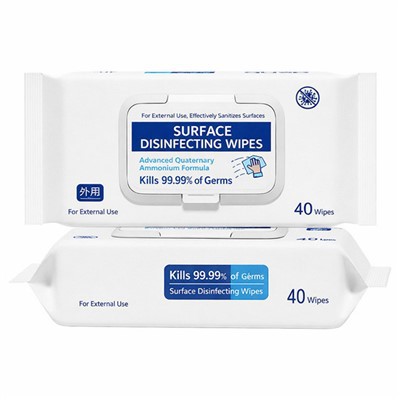
When choosing biodegradable wipes, there are several factors to consider. The first is the purpose of the wipes. If you need wipes for heavy – duty cleaning, you may want to choose bamboo or hemp – based wipes for their strength. If you are using the wipes on sensitive skin, cotton or wood – pulp based wipes may be a better choice.
Another consideration is the price. Biodegradable wipes can be more expensive than traditional wipes, but the cost difference may vary depending on the type of material and the brand. It’s important to compare prices and look for deals to get the best value for your money.
Finally, it’s important to check the certification of the biodegradable wipes. Look for wipes that are certified by recognized organizations, such as the Forest Stewardship Council (FSC) for wood – pulp based wipes or the Global Organic Textile Standard (GOTS) for cotton – based wipes. This ensures that the wipes are made from sustainable materials and are truly biodegradable.
Contact for Purchase and Consultation
Baby Wipes If you are interested in purchasing biodegradable wipes for your business or personal use, I’m here to help. As a supplier, I can offer a wide range of biodegradable wipes made from different materials to meet your specific needs. Whether you need a large quantity of wipes for a commercial cleaning service or a small pack for personal use, I can provide you with high – quality products at competitive prices.
Don’t hesitate to reach out to discuss your requirements. We can work together to find the best type of biodegradable wipes for you. Let’s make a more sustainable choice together by using biodegradable wipes instead of their non – eco – friendly counterparts.
References
- "The Handbook of Nonwoven Fabrics" by Brian Condon. This book provides in – depth information on the production and properties of non – woven fabrics, including those used in biodegradable wipes.
- "Sustainable Materials: With Both Eyes Open" by Julian Allwood and Jonathan Cullen. It offers insights into the environmental impact of different materials used in consumer products.
- "Textiles: Science and Technology" by J. E. Booth. This resource covers the science behind natural fibers such as cotton, bamboo, and hemp, which are commonly used in biodegradable wipes.
Shanghai Joy Crown Industry Co., Ltd.
As one of the most professional biodegradable wipes manufacturers and suppliers in China, our company have world-leading production equipment and strong manufacturing capabilities. Please feel free to buy high quality biodegradable wipes made in China here from our factory. Contact us for OEM service.
Address: No.55-56 Lane 21 Pu San Road, Pudong New Area, 200125 Shanghai, P.R.China.
E-mail: sales@joybiowipes.com
WebSite: https://www.joybiowipes.com/
