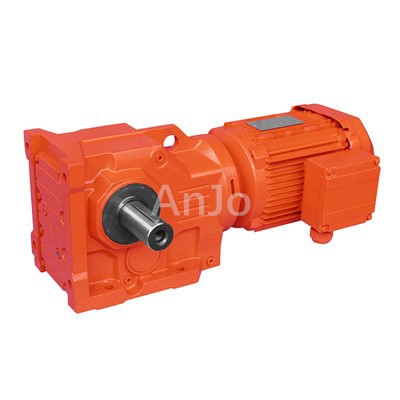
As a supplier of stainless gearboxes, I’ve witnessed firsthand the growing emphasis on environmental considerations in various industries. In this blog post, I’ll delve into the environmental impacts associated with using stainless gearboxes, exploring both the positive and potentially negative aspects. By the end, I hope to provide a comprehensive understanding to help you make informed decisions regarding gearbox selection and usage. Stainless Gearbox
Positive Environmental Impacts
Durability and Longevity
One of the most significant environmental benefits of stainless gearboxes is their durability. Stainless steel is known for its high resistance to corrosion, rust, and wear. Unlike some other materials, which may degrade quickly in harsh environments, stainless gearboxes can last for decades under normal operating conditions. This extended lifespan means fewer replacements are needed over time. When we consider the resources required to manufacture new gearboxes, including raw materials extraction, energy for processing, and manufacturing waste, the reduced need for frequent replacements translates into substantial resource savings. Fewer gearboxes produced also mean less industrial pollution associated with the manufacturing process, such as emissions from factories and waste disposal of production by – products.
Recyclability
Stainless steel is a highly recyclable material. At the end of its long service life, a stainless gearbox can be recycled and used to create new stainless – steel products. Recycling stainless steel requires significantly less energy compared to producing new stainless steel from raw materials. According to industry reports, recycling stainless steel can save up to 75% of the energy needed for primary production. This energy savings not only reduces the demand for fossil fuels but also lowers greenhouse gas emissions associated with energy generation. Additionally, recycling helps to conserve natural resources, as it reduces the need for extensive mining and extraction of iron ore, chromium, and other elements used in stainless – steel production.
Resistance to Contamination
In many industrial applications, gearboxes are exposed to various chemicals, moisture, and other contaminants. Stainless gearboxes’ resistance to corrosion and contamination helps prevent leaks and spills. This is particularly important in industries such as food and beverage, pharmaceutical, and chemical processing, where any leakage of lubricants or gearbox components could contaminate products or the environment. By maintaining the integrity of the gearbox and preventing leaks, stainless gearboxes contribute to a cleaner and more sustainable production environment. They also reduce the risk of soil and water pollution that could occur if contaminants were to seep into the ground or nearby water sources.
Potential Negative Environmental Impacts
Energy Consumption During Manufacturing
The production of stainless steel involves a complex and energy – intensive process. Mining the raw materials, such as iron ore and chromium, requires large amounts of energy for extraction and transportation. The smelting and refining processes to convert these raw materials into stainless steel also consume significant amounts of electricity and fossil fuels. As a result, the initial manufacturing of stainless gearboxes has a relatively high carbon footprint compared to some other types of gearboxes made from less energy – intensive materials. However, it’s important to note that the long – term benefits in terms of durability and recyclability can offset this initial environmental cost over the gearbox’s lifespan.
Chemicals Used in Finishing
Stainless steel often undergoes various finishing processes, such as pickling and passivation, to enhance its corrosion resistance and appearance. These processes use chemicals such as nitric acid, hydrofluoric acid, and other strong acids. If not properly managed, the disposal of these chemicals can pose a risk to the environment. Improper discharge into water bodies can lead to water pollution, killing aquatic life and making the water unfit for human use. Additionally, the handling and storage of these chemicals require strict safety measures to prevent accidental spills and exposure to workers.
Disposal Challenges in Some Cases
While stainless gearboxes are highly recyclable, there can be challenges in the disposal process. In some regions, the lack of proper recycling facilities or the complexity of separating different components of the gearbox (such as bearings, seals, and other non – stainless – steel parts) can make recycling more difficult. In such cases, gearboxes may end up in landfills, where they take up space and may potentially release harmful substances over time if not properly contained.
Mitigating the Negative Environmental Impacts
Sustainable Manufacturing Practices
As a stainless gearbox supplier, we are committed to implementing sustainable manufacturing practices. This includes investing in energy – efficient equipment and technologies to reduce the energy consumption during the manufacturing process. For example, we use advanced furnaces with high – efficiency insulation and heat recovery systems to minimize energy waste. We also source our raw materials from suppliers who adhere to responsible mining practices, ensuring that the environmental impact of the raw material extraction is minimized.
Proper Chemical Management
We have strict protocols in place for the use and disposal of chemicals in the finishing processes. Our chemical management system includes proper storage, handling, and treatment of waste chemicals. We use closed – loop systems whenever possible to recycle and reuse chemicals, reducing the amount of waste generated. Additionally, we ensure that all waste chemicals are treated in accordance with environmental regulations before being disposed of.
End – of – Life Solutions
To address the disposal challenges, we work closely with recycling partners to ensure that our stainless gearboxes are properly recycled at the end of their service life. We provide guidance to our customers on how to disassemble the gearboxes to facilitate the recycling process. We also support research and development efforts to improve the recyclability of our products, such as developing new designs that are easier to separate into different components for recycling.
Conclusion
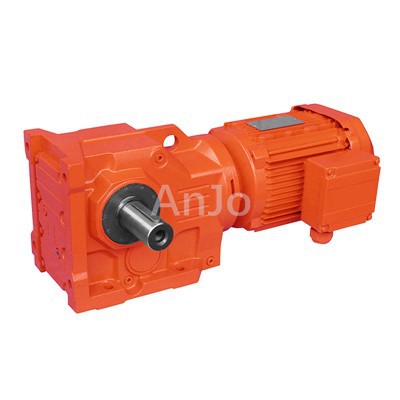
Overall, the environmental impacts of using a stainless gearbox are a complex mix of positive and negative aspects. While the initial manufacturing process has some environmental drawbacks, the long – term benefits of durability, recyclability, and resistance to contamination make stainless gearboxes a more sustainable choice in many applications. As a stainless gearbox supplier, we are dedicated to minimizing the negative environmental impacts through sustainable manufacturing, proper chemical management, and end – of – life solutions.
DC Gear Motor If you are in the market for a reliable and environmentally – friendly gearbox solution, I encourage you to reach out to us for more information. We can provide detailed product specifications, environmental impact assessments, and work with you to find the best gearbox for your specific needs.
References
- "Stainless Steel Recycling: Energy Savings and Environmental Benefits", Stainless Steel World Magazine, 20XX.
- "The Life Cycle Assessment of Gearbox Materials", Journal of Industrial Materials and Sustainability, 20XX.
- "Best Practices for Chemical Management in Stainless Steel Manufacturing", International Journal of Environmental Science and Technology, 20XX.
Hangzhou ANG Drive Co., Ltd.
We’re well-known as one of the leading stainless gearbox manufacturers and suppliers in China, also support custom service. Please feel free to wholesale high quality stainless gearbox made in China here from our factory. Contact us for more details.
Address: No.185, Jincheng Rd., Hangzhou 311202, China
E-mail: export6@angdrive.com
WebSite: https://www.angdrive.com/
