As a supplier of high-pressure automotive hose fittings, I often get asked whether our products can be used in marine applications. This is a valid question, considering the unique challenges that come with the marine environment. In this blog, I’ll delve into the science behind high-pressure hose fittings, compare the automotive and marine environments, and discuss the feasibility of using our automotive hose fittings in marine settings. High Presssure Automotive Hose Fittings
Understanding High-Pressure Automotive Hose Fittings
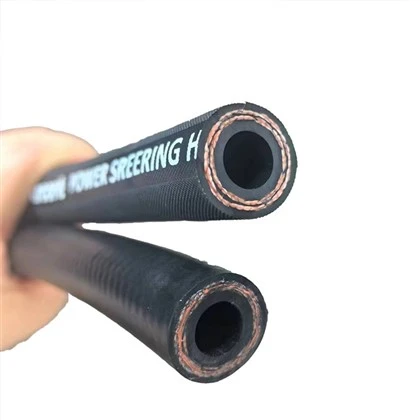
High-pressure automotive hose fittings are designed to withstand extreme pressures and temperatures commonly found in automotive systems. These systems, such as fuel injection, hydraulic brakes, and power steering, require components that can handle the stress of high-pressure fluid flow. Our high-pressure automotive hose fittings are engineered with precision, using high-quality materials like stainless steel, brass, and high-grade polymers.
The design of these fittings is crucial. They are typically equipped with features like tight seals, reinforced hoses, and corrosion-resistant coatings. The seals prevent fluid leakage, which is essential for maintaining system efficiency and safety. Reinforced hoses can withstand the high – pressure pulses without bursting or deforming, ensuring a long service life. Corrosion – resistant coatings protect the fittings from the harsh chemicals and moisture present in automotive fluids.
The Marine Environment: A Different Beast
The marine environment presents a set of challenges that are distinct from those in the automotive world. First and foremost, there is the issue of saltwater. Saltwater is highly corrosive, and it can quickly degrade metal components if they are not properly protected. Marine vessels are constantly exposed to saltwater spray, immersion, and high humidity, which accelerate the corrosion process.
In addition to corrosion, marine applications also face issues related to vibration and shock. Boats are subject to rough seas, which can cause significant vibrations and sudden impacts. These forces can loosen fittings and cause hoses to fail if they are not designed to withstand them.
Another factor is the type of fluids used in marine systems. Marine engines often use different types of fuels, lubricants, and coolants compared to automotive engines. These fluids may have different chemical properties, which can affect the compatibility of the hose fittings.
Compatibility Analysis
Material Compatibility
When it comes to material compatibility, our high – pressure automotive hose fittings are made from materials that have some level of corrosion resistance. Stainless steel, for example, is known for its ability to resist rust and corrosion. However, in a marine environment, the constant exposure to saltwater may require an even higher level of protection. Some of our fittings can be treated with additional coatings or finishes to enhance their corrosion resistance.
Brass is another common material used in our automotive fittings. While brass has good mechanical properties and is relatively corrosion – resistant, it can still be susceptible to dezincification in saltwater. Dezincification is a process where the zinc component in brass is leached out, leaving behind a porous and weak copper structure. To mitigate this risk, we can offer brass fittings with special alloys or protective coatings that are more suitable for marine use.
Pressure and Temperature Requirements
Marine systems, like automotive systems, can have high – pressure requirements. For example, hydraulic steering systems in boats need to be able to handle the forces required to turn the rudder, especially in large vessels. Our high – pressure automotive hose fittings are designed to meet or exceed the pressure requirements of many automotive systems. In many cases, these pressure ratings are also sufficient for common marine applications.
However, temperature variations in the marine environment can be more extreme. In some regions, the water temperature can be very cold, while the engine compartment can get extremely hot. Our automotive fittings are designed to operate within a certain temperature range, but we need to ensure that this range is compatible with the temperature conditions in marine applications. We may need to select materials with better thermal stability or provide additional insulation for the hoses.
Vibration and Shock Resistance
As mentioned earlier, boats experience significant vibrations and shocks due to the rough seas. Our high – pressure automotive hose fittings are designed to withstand the vibrations and shocks associated with automotive engines, which are also quite dynamic. However, the magnitude and frequency of vibrations in a marine environment can be different.
To ensure that our fittings can handle these conditions, we can conduct additional testing. This may include simulating the vibration and shock patterns of a boat in a laboratory setting. We can also modify the design of the fittings, such as adding additional support structures or using more flexible hoses to absorb the shocks.
Case Studies
To illustrate the potential use of our high – pressure automotive hose fittings in marine applications, let’s look at a few case studies.
Small Fishing Boats
Small fishing boats typically have relatively simple hydraulic and fuel systems. In many cases, our automotive hose fittings can be used directly in these systems. For example, a small fishing boat with a hydraulic steering system may require high – pressure hose fittings that can handle the pressure generated by the steering pump. Our automotive fittings, with their high – pressure ratings and reliable seals, can provide a cost – effective solution for these boats.
Recreational Yachts
Recreational yachts often have more complex systems, including advanced hydraulic systems for winches, stabilizers, and steering. These systems require high – quality hose fittings that can withstand the high pressures and the harsh marine environment. We have had some success in supplying our automotive hose fittings to yacht manufacturers after making some modifications. By using fittings with enhanced corrosion resistance and better vibration – damping capabilities, we have been able to meet the requirements of these high – end marine applications.
Conclusion
In conclusion, while high – pressure automotive hose fittings are designed primarily for automotive applications, they can be used in marine applications with some considerations. The key lies in ensuring material compatibility, pressure and temperature resistance, and vibration and shock resistance.
We, as a supplier of high – pressure automotive hose fittings, are committed to providing solutions that meet the needs of our customers in both the automotive and marine industries. We can work closely with marine engineers and boat manufacturers to customize our fittings to suit the specific requirements of marine applications.
Abrasive Sandblast Hose If you are in the marine industry and are interested in exploring the use of our high – pressure automotive hose fittings, we encourage you to contact us for a detailed discussion. We can provide samples for testing and work with you to develop the most suitable solution for your needs. Let’s start a conversation and see how our products can be integrated into your marine systems.
References
- "Handbook of Corrosion Engineering" by Pierre R. Roberge
- "Marine Engineering: Principles and Practice" by David Eyres
- "Automotive Fluid Power Systems" by David Crolla
Ningbo Haidu Auto Parts Co., Ltd.
As one of the most professional high presssure automotive hose fittings manufacturers and suppliers in China, we’re featured by cheap products and good service. Please rest assured to buy durable high presssure automotive hose fittings at competitive price from our factory. Also, OEM service is available.
Address:
E-mail: Sale6@sterlingautoparts.com
WebSite: https://www.cnsiliconehose.com/
