What is the weight of an Integrated Open Rear Axle – single Gear?
As a supplier of Integrated Open Rear Axle – single Gear, I often get asked about the weight of this crucial automotive component. The weight of an Integrated Open Rear Axle – single Gear is not a fixed value; it varies depending on several factors. In this blog, I’ll delve into the details of what influences the weight of these axles, why it matters, and how it impacts the overall performance of a vehicle. Integrated Open Rear Axle-single Gear

Factors Affecting the Weight of an Integrated Open Rear Axle – single Gear
Material Composition
The materials used in the manufacturing of an Integrated Open Rear Axle – single Gear play a significant role in determining its weight. Commonly, these axles are made from high – strength steel. Steel is a popular choice due to its excellent durability and ability to withstand heavy loads. However, different grades of steel have different densities, which directly affect the weight. For example, carbon steel is relatively dense and can result in a heavier axle. On the other hand, some manufacturers are now exploring the use of alloy steels, which can offer a good balance between strength and weight. These alloy steels often contain elements like chromium, nickel, and molybdenum, which enhance the material’s properties while potentially reducing weight.
Aluminum is another material that is increasingly being used in the production of rear axles. Aluminum is much lighter than steel, with a density approximately one – third that of steel. Axles made from aluminum can significantly reduce the overall weight of the vehicle, leading to improved fuel efficiency and better handling. However, aluminum may not be as strong as steel in some applications, so it is often used in combination with other materials or in vehicles where weight reduction is a top priority, such as high – performance sports cars.
Design and Configuration
The design of the Integrated Open Rear Axle – single Gear also affects its weight. The number of gears, the size of the gear teeth, and the overall shape of the axle housing all contribute to the final weight. For instance, a larger gear will generally weigh more than a smaller one. Additionally, the design of the axle housing can vary. Some axle housings are designed to be more compact and lightweight, while others may be bulkier to provide additional strength and support.
The configuration of the axle, such as whether it is a solid axle or an independent rear suspension axle, also impacts the weight. Solid axles are typically heavier because they are a single, rigid unit that connects the wheels on both sides of the vehicle. Independent rear suspension axles, on the other hand, allow each wheel to move independently, which can reduce unsprung weight and improve ride quality. However, the additional components required for independent suspension can also add to the overall weight in some cases.
Vehicle Application
The intended application of the vehicle also influences the weight of the Integrated Open Rear Axle – single Gear. For heavy – duty trucks and commercial vehicles, the axles need to be able to handle large loads. As a result, these axles are often made from thicker and stronger materials, which increases their weight. In contrast, axles for passenger cars and light – duty vehicles can be designed to be lighter, as they do not need to support as much weight.
For example, a pickup truck used for towing and hauling heavy loads will require a more robust and heavier axle compared to a compact car used for daily commuting. The weight of the axle is carefully balanced with the vehicle’s performance requirements to ensure optimal functionality.
Why the Weight of an Integrated Open Rear Axle – single Gear Matters
Fuel Efficiency
One of the most significant reasons why the weight of an Integrated Open Rear Axle – single Gear matters is its impact on fuel efficiency. A heavier axle requires more energy to move, which means the vehicle has to burn more fuel to achieve the same level of performance. By reducing the weight of the axle, the vehicle’s fuel consumption can be decreased, leading to cost savings for the owner and a reduced environmental impact.
Handling and Performance
The weight of the axle also affects the vehicle’s handling and performance. A lighter axle can improve the vehicle’s acceleration, braking, and cornering abilities. This is because less weight means less inertia, allowing the vehicle to change direction more quickly and stop more efficiently. Additionally, a lighter axle can reduce the unsprung weight of the vehicle, which is the weight of the components that are not supported by the vehicle’s suspension system. Reducing unsprung weight can improve the ride quality and handling of the vehicle.
Durability and Reliability
While reducing weight is important, it is also crucial to ensure that the axle is durable and reliable. A well – designed and properly manufactured axle can withstand the stresses and strains of daily use, regardless of its weight. However, if the weight is reduced too much, it may compromise the axle’s strength and durability. Therefore, finding the right balance between weight and strength is essential to ensure the long – term performance of the vehicle.
Typical Weight Ranges
The weight of an Integrated Open Rear Axle – single Gear can vary widely depending on the factors mentioned above. For light – duty passenger cars, the weight of the axle may range from around 50 to 150 pounds. In medium – duty trucks, the axle weight can be between 200 and 500 pounds. Heavy – duty commercial vehicles may have axles that weigh 500 pounds or more.
It’s important to note that these are just rough estimates, and the actual weight can vary depending on the specific make and model of the vehicle, as well as the design and materials used in the axle.
Conclusion
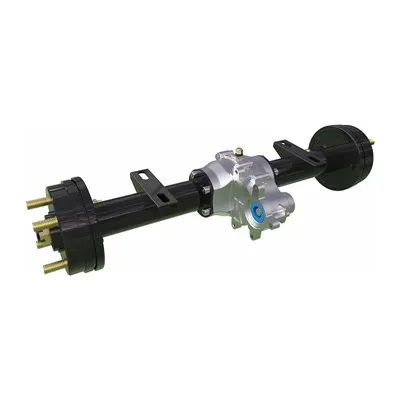
In conclusion, the weight of an Integrated Open Rear Axle – single Gear is influenced by multiple factors, including material composition, design, and vehicle application. Understanding these factors is crucial for both vehicle manufacturers and consumers. Vehicle manufacturers need to balance the weight of the axle with the vehicle’s performance, fuel efficiency, and durability requirements. Consumers, on the other hand, can benefit from a lighter axle in terms of fuel savings and improved handling.
Mofang 50 Series If you are in the market for an Integrated Open Rear Axle – single Gear, I encourage you to reach out to discuss your specific needs. We can provide you with detailed information about the weight, performance, and cost of our products. Whether you are a vehicle manufacturer looking for high – quality axles or an individual in need of a replacement axle, we are here to help. Contact us to start a conversation about your procurement requirements and let’s work together to find the best solution for your needs.
References
- Automotive Engineering Handbook, edited by Richard Stone and John Crolla.
- SAE International Standards on Axle Design and Manufacturing.
- Research papers on lightweight materials in automotive applications from various academic journals.
Jiangsu Changyun Drive Techniques Co., Ltd.
As one of the leading integrated open rear axle-single gear manufacturers and suppliers in China, we offer a wide range of products with superior quality. Please rest assured to wholesale advanced integrated open rear axle-single gear from our factory. If you have any enquiry about cooperation, please feel free to email us.
Address: Building B, 1st Floor, Chuangyan Port, Science and Education City, Wujin District, Changzhou City, Jiangsu Province
E-mail: eva@czbenma.com
WebSite: https://www.cyevenergy.com/
