As a supplier of plastic lids, I’ve witnessed firsthand the increasing concerns about the environmental impact of our products. In this blog, I’ll delve into how plastic lids affect the environment, exploring the various aspects from production to disposal, and discussing potential solutions. Plastic Lid

Production Phase
The production of plastic lids starts with the extraction of fossil fuels, primarily crude oil and natural gas. These non – renewable resources are refined to produce polymers such as polyethylene, polypropylene, and polystyrene, which are the main materials for plastic lids. The extraction process itself is energy – intensive and has significant environmental consequences. Drilling for oil and gas can lead to habitat destruction, water pollution, and the release of greenhouse gases.
Once the polymers are produced, they are molded into plastic lids. The manufacturing process requires large amounts of energy, often derived from fossil fuels. This results in the emission of carbon dioxide and other pollutants into the atmosphere, contributing to global warming and air pollution. Moreover, the use of various chemicals in the production, such as plasticizers and stabilizers, can also have negative impacts on human health and the environment if not properly managed.
Usage Phase
Plastic lids are widely used in the food and beverage industry. They are convenient for consumers, providing a seal to keep products fresh and prevent spills. However, their widespread use also leads to a high volume of waste. Many plastic lids are single – use items, which means they are discarded after a short period of use.
One of the major problems during the usage phase is littering. Plastic lids are lightweight and easily blown away by the wind or washed into waterways. They can end up in rivers, lakes, and oceans, where they pose a serious threat to marine life. Marine animals often mistake plastic lids for food and ingest them. This can lead to internal injuries, blockages in the digestive system, and even death.
Disposal Phase
When plastic lids reach the end of their useful life, they are typically disposed of in landfills or incinerated. In landfills, plastic lids do not biodegrade easily. They can persist in the environment for hundreds of years, taking up valuable space and potentially leaching harmful chemicals into the soil and groundwater.
Incineration of plastic lids is another common disposal method. While it can reduce the volume of waste, it also releases toxic pollutants into the air, including dioxins, furans, and heavy metals. These pollutants can have serious health effects on humans and wildlife, such as respiratory problems, cancer, and birth defects.
Recycling is often touted as a solution to the plastic waste problem. However, plastic lids present unique challenges for recycling. Their small size and complex shapes make them difficult to sort and process. Many recycling facilities are not equipped to handle plastic lids efficiently, and as a result, a large proportion of them end up in landfills or as litter.
Impact on Ecosystems
The presence of plastic lids in the environment has far – reaching impacts on ecosystems. In addition to harming marine life, plastic lids can also affect terrestrial ecosystems. They can accumulate in soil, altering its physical and chemical properties. This can disrupt the growth of plants and the activities of soil organisms, leading to a decline in biodiversity.
Plastic lids can also act as vectors for the spread of invasive species. They can carry seeds or organisms from one area to another, potentially disrupting native ecosystems and causing ecological imbalances.
Potential Solutions
As a plastic lid supplier, I am committed to finding solutions to minimize the environmental impact of our products. One approach is to develop more sustainable materials for plastic lids. For example, bio – based plastics made from renewable resources such as corn starch or sugarcane can be used as an alternative to traditional petroleum – based plastics. These bio – based plastics are biodegradable or compostable, reducing the long – term environmental impact.
Another solution is to improve the design of plastic lids to make them more recyclable. This could involve using a single type of plastic or designing lids with simpler shapes that are easier to sort and process. We can also work with recycling facilities to develop better sorting and recycling technologies for plastic lids.
In addition, promoting the reduction of single – use plastic lids is crucial. This can be achieved through education and awareness campaigns, as well as by offering reusable alternatives. For example, we can encourage consumers to use refillable containers with reusable lids, or provide incentives for businesses to switch to more sustainable packaging options.
Conclusion
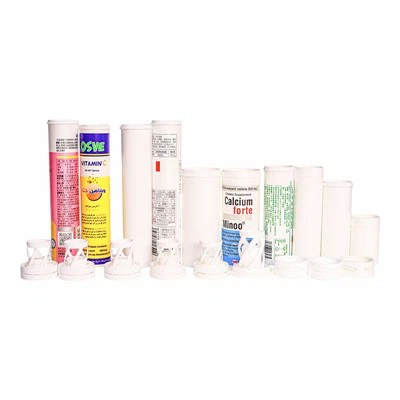
Plastic lids have a significant impact on the environment, from the production phase to the disposal phase. However, as a plastic lid supplier, I believe that we have a responsibility to take action to minimize this impact. By developing sustainable materials, improving recyclability, and promoting reduction, we can make a positive difference.
Toothpaste Pump If you are interested in learning more about our plastic lid products or discussing potential solutions for sustainable packaging, I encourage you to reach out to us. We are always open to new partnerships and opportunities to work together towards a more sustainable future.
References
- "Plastic Pollution: A Global Challenge." United Nations Environment Programme.
- "The Impact of Plastic on Marine Life." Marine Conservation Society.
- "Recycling of Plastic Packaging: Challenges and Opportunities." European Commission.
Shanghai JND Plastic Products Co., Ltd.
As one of the most professional plastic lid manufacturers and suppliers in China, we also support customized service. Please feel free to buy high quality plastic lid made in China here and get pricelist from our factory. For price consultation, contact us.
Address: Building 3-C, No. 2399, South Lianhua Road, Minhang District, Shanghai, China
E-mail: margaret.zhang@jndpak.com
WebSite: https://www.jndpakgroup.com/
