Let’s cut to the chase: if you’re anything like me, fever season—whether it’s the middle of cold and flu, back-to-school, or just a random random virus popping up—comes with equal parts panic and a very important question. Grab that thermometer you stuffed in the back of the medicine cabinet last year, and check: do you even know if it’s the right kind? Do you remember how to use it correctly, because guessing at a fever’s actual number? That’s how you end up either missing a serious issue or stressing over a “fever” that was just a bad thermometer placement. Thermometers
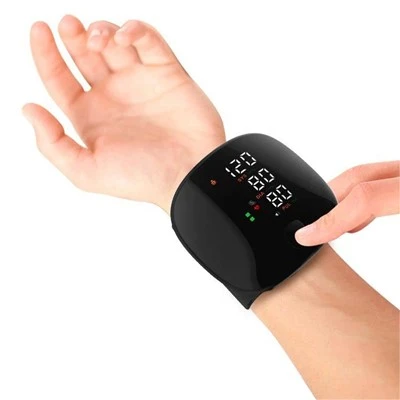
I’m here not just as someone who’s been in the thermometer game for years, but as a mom who’s had to soothe a feverish kid at 2 a.m. and as a small business owner who’s talked to dozens of nurses and pediatricians about what actually works when it comes to fever checks. Thermometer use isn’t rocket science, but there are tiny, easy-to-miss steps that make all the difference.
First, let’s start with the basics: not all thermometers are created equal, and using the wrong one for the wrong job is the #1 mistake I see people make. Here’s a quick breakdown of the most common types, and when to use each one, straight from what frontline providers tell us:
- Oral thermometers: The classic old-school glass (though most are digital now) that goes under the tongue. These work best for kids old enough to hold their breath and keep their mouth closed for 3–5 minutes—think ages 4 and up. Babies and toddlers wiggle, so oral readings are wildly inconsistent for them, leading to unnecessary worry.
- Rectal thermometers: This one’s the gold standard for infants under 3 months old, full stop. Pediatricians will always recommend rectal checks for tiny babies because their body temperatures shift so fast, and other methods aren’t accurate enough. Yes, it sounds awkward, but it’s the most reliable way to know if a newborn has a fever that needs medical attention.
- Underarm (axillary) thermometers: I want to be honest here—these are great for quick, preliminary checks, but they’re not precise enough to confirm a fever on their own. Most nurses will tell you to follow up an underarm reading with an oral or temporal scan if it’s elevated, because factors like sweating or arm position can skew the number.
- Temporal artery thermometers (forehead scanners): These are the ones that look like a little wand you swipe across the forehead, common in clinics and becoming popular for home use. They’re fast, which is a win for wiggly kids, but you have to use them right—no hair in the way, and you have to press firmly to the skin, not just glide lightly.
- Ear (tympanic) thermometers: These use a sensor to read the heat in the eardrum. They’re convenient, but they only work if you get a good seal in the ear canal—too much wax or pushing the sensor too far or too shallow will give you a wrong reading, especially in little kids whose ear canals are small.
If you’re a long-time customer of ours, you probably already know we carry all these types, and we make a point to label each one with clear, simple instructions, not just jargon. But even with the right thermometer, using it wrong can mess up every reading.
Let’s talk step-by-step, starting with prep. You wouldn’t bake a cake without preheating the oven, right? Same with thermometer prep. First, check if the thermometer needs to be cleaned. For most digital thermometers, a quick wipe with rubbing alcohol or soapy water (rinse and dry it first) takes 10 seconds and kills germs that could spread, especially between family members. For rectal thermometers, always clean them thoroughly before and after use—no exceptions.
Next, know what’s off-limits before taking a temp. If you or someone you cared for just drank a hot cup of coffee, ate a cold popsicle, spent 10 minutes outside in the heat, or wrapped up in a blanket, wait 15 minutes. That’s one of the most overlooked rules, and I’ve seen it lead to a dozen panic texts from customers thinking their kid has a 103 fever when it was just a post-popsicle reading. Body temperature can shift a lot from external factors, so giving it time to settle is non-negotiable.
Now, let’s get into the actual use, broken down by type, because each one has its own trick:
For oral thermometers: Make sure the person’s mouth is dry (a quick wipe with a tissue works) and tell them to close their lips tight—no peeking or talking. Place the tip under their tongue, to one side of the mouth, not right in the middle where it’s warmer from breathing. Wait for the beep (that’s how digital thermometers work, most old glass ones take 3 minutes) and that’s your reading. If they coughed, yawned, or moved during that time, do it again—even a tiny shift can change the number.
For rectal thermometers: This is for kids under 3 months, and honestly, it’s way easier than it sounds if you do it when they’re lying on their back or tummy, calm. First, apply a tiny bit of petroleum jelly to the tip to make it comfortable. Lay the baby down, pull their legs up towards their tummy, and gently insert the tip about half an inch—go slow, stop if you feel resistance, you can’t hurt them if you take it easy. Wait for the beep, then clean it right away. Pediatricians swear by rectal temps because they’re the closest to core body temperature, which is what you care about for fevers.
For underarm thermometers: This is the “quick check” option, so don’t rely on it alone. Make sure the armpit is dry (sweat will mess it up), place the thermometer tip right in the center of the armpit, press the arm tight against the body so there’s no gap, and wait 2–3 minutes. Add 1 degree to the reading you get here, most of the time, to get a close idea of core temp. Again, follow up with a more accurate method if it’s high.
For temporal artery thermometers (forehead): This is my go-to for my 5-year-old, because he hates holding still. The trick here is to swipe it across the forehead from the temple to the hairline, and make sure there’s no hair, sweat, or sunscreen on the skin. You might need to hold their hair out of the way, and press the wand firmly enough that it touches the skin the whole time—no light glides. Some models also have a second function for behind the ear, which is good if the forehead is sweaty or covered.
For ear thermometers: This one trips a lot of people up. First, pull the outer ear gently back and up (for adults) or back and down (for kids under 3) to straighten the ear canal. That’s the key to a good seal. Insert the tip of the thermometer just enough to cover it, not all the way in, then press the button. If you get a “LO” or “HI” reading, that means you didn’t get a good seal—adjust and try again. Earwax is the #1 culprit here, so if there’s a lot of wax, clean the outside of the ear with a cotton swab (never stick it in the canal) before using.
Now, let’s talk about what counts as a fever, because that’s the part that causes the most confusion. A normal body temperature is around 98.6°F, but it varies a little by time of day (usually lower in the morning, higher at night) and by age. Here’s the general guide that every pediatrician and nurse we work with uses, and we print it on every thermometer packaging so you don’t have to Google it at 2 a.m.:
- Newborns under 3 months: A rectal temp of 100.4°F or higher is a fever, and that’s something to call the doctor about immediately—no waiting, because tiny babies can get very sick fast.
- Kids 3 months to 3 years: A rectal, oral, or temporal temp of 102°F or higher is a fever. Under 102, you can monitor at home, but if they’re fussy, not eating, or lethargic, check in with your pediatrician.
- Kids over 3 and adults: An oral temp of 100.4°F or higher, or an ear/temporal temp of 100.4°F, counts as a fever. Again, if it’s 102 or higher for more than a day, or if you have other symptoms like a stiff neck, difficulty breathing, or persistent headache, see a doctor.
I should also mention a quick myth bust here: you don’t need to “reduce a fever at all costs.” Fevers are your body’s way of fighting off germs, so if someone has a low-grade fever (under 102°F), giving fever medicine like acetaminophen or ibuprofen is only for comfort, not to make the fever go away completely. That’s a question we get all the time from new parents, so it’s good to clear that up.
Now, common mistakes that I see over and over again, even from people who’ve used thermometers for years:
- Not calibrating your thermometer. Old digital thermometers can lose accuracy over time, especially if they’re dropped or exposed to extreme temperatures. We recommend testing yours once a year with a ice bath test: fill a cup with crushed ice and a little water, stir it, put the thermometer in, and wait 3 minutes. It should read 32°F (or 0°C, for anyone using Celsius). If it’s off, it’s time to replace it—we offer replacement thermometers at affordable prices, because no one wants a bad reading when they need it most.
- Taking a temp when the person is upset or crying. Crying can raise body temperature by a degree or more, especially in kids. Wait 10–15 minutes after a crying spell or fit, and they calm down, before taking a reading. That’s another easy fix that makes a huge difference.
- Reusing a thermometer without cleaning it. Between family members, that’s just good hygiene, and it prevents spreading germs like colds or flu. We all know how quickly germs travel when someone’s sick in the house, so a quick wipe after each use is worth it.
- Rushing the reading. That beep isn’t just a suggestion—most digital thermometers need the full time to get an accurate core reading. If you take it out right when it starts beeping, you might get a lower number, which could make you miss a fever.
A few years back, we had a mom come to us panicking because she thought her 1-year-old had a persistent fever, and she’d been using an ear thermometer that was giving inconsistent readings. We sat down with her, walked through how to use it correctly, and she came back a week later saying she’d switched to our temporal thermometer for her little one, and the readings were finally reliable enough to get the doctor to take her seriously when she noticed a spike. That’s the kind of thing that makes us do what we do—help people feel confident that their thermometer is giving them the right info, especially when they’re stressed.
If you’re shopping for a new thermometer, whether it’s for yourself, your kid, or your practice, don’t just grab the cheapest one at the drugstore. Look for models that have clear, simple instructions, are calibrated for accuracy, and fit your needs. We prioritize making thermometers that work for real life—no complicated settings, no hard-to-read displays, just clear steps that anyone can follow, even at 2 a.m. when you’re half-asleep and your kid is curled up on your chest.
At the end of the day, using a thermometer correctly is about one thing: getting a reading you can trust, so you know when it’s time to rest, give comfort, or call a doctor. It’s not complicated, but it’s worth taking the time to do it right.
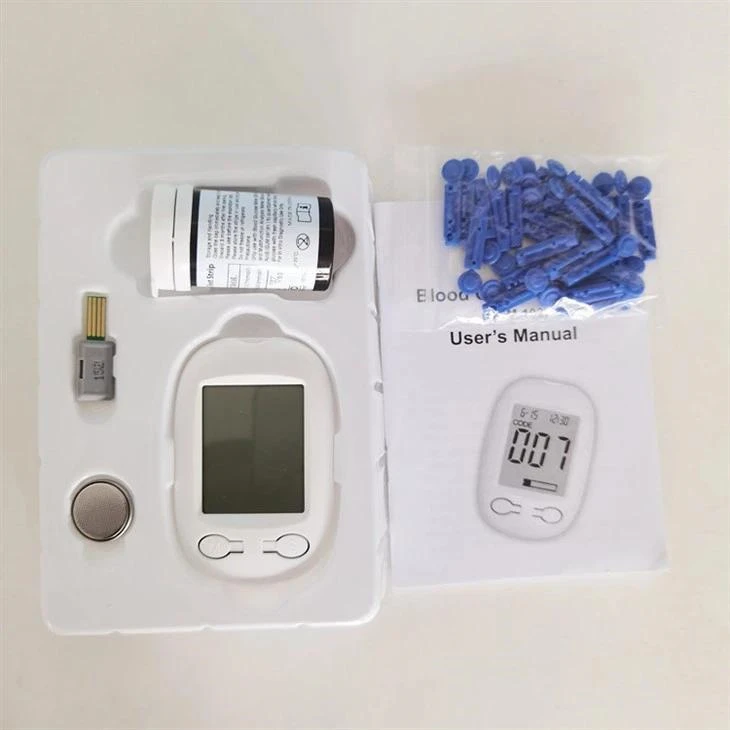
If you’re a retailer looking to stock reliable thermometers for your customers, or a healthcare provider in need of bulk supplies for your clinic, we’re here to help. We work with families, clinics, schools, and organizations of all sizes, and we’re happy to answer any questions about product types, bulk pricing, or anything else you need to keep your community prepared. Reach out to our team to connect for purchasing and consultation.
References
Home Fetal Doppler American Academy of Pediatrics. (2023). Fever in Children: Home Care Guidelines. AAP.org.
Centers for Disease Control and Prevention. (2022). How to Take a Fever. CDC.gov.
National Institute of Child Health and Human Development. (2021). Taking a Rectal Temperature in Infants. NIH.gov.
Yiwu Trump Medical Products Co., Ltd.
As one of the most professional thermometers manufacturers and suppliers in China, we’re featured by quality products and good service. Please rest assured to wholesale advanced thermometers made in China here from our factory. We also accept customized orders.
Address: Room 428-429, 4th Floor of Comprehensive Building of Hetianxia E-commerce Park, No.16 Pinghu Road, Jiangdong Street, Yiwu City, 322000 Zhejiang Province, China
E-mail: sales01@trumpmedi.com
WebSite: https://www.trumpmedisupply.com/
