If you’ve ever ordered custom gear—whether it’s for your team, outdoor club, or work uniform—chances are you’ve stumbled on 3D PVC patches. They’re the ones with that raised, tactile look: bold colors, sharp edges, and a rubbery, almost squishy feel that makes them stand out from embroidered or woven patches. As a 3D PVC patch supplier, I get asked this question more than any other: “Are they actually durable?” It’s a totally fair question. A patch is only as good as how it holds up when you’re hauling gear on a backpack, scrubbing mud off a work jacket, or running through a rainstorm on a trail. Let me break this down like I would to a regular customer who’s not here for engineering jargon—just real, tested facts, not marketing fluff. 3D PVC Patch
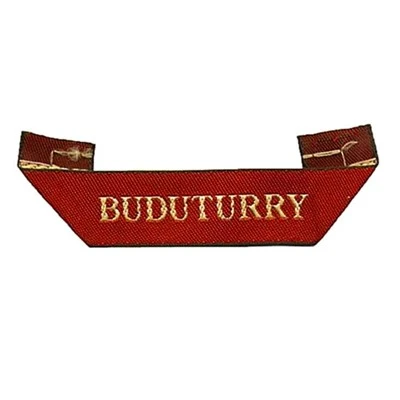
First, let’s talk about what 3D PVC patches even are, because that’s where their durability starts. Unlike embroidered patches, which use thread stitched onto fabric, or heat transfer patches that are basically printed film, 3D PVC patches are made from polyvinyl chloride—a thermoplastic polymer that’s long been used for things like rain boots, garden hoses, and even medical tubing because it’s tough and flexible. We don’t just slop on plastic, either. We use a process called injection molding: we melt the PVC resin, inject it into a custom mold with your exact design, add colorants, let it cure, and then trim it to shape. That means every part of the patch is a solid, seamless piece of plastic, not layers of thread or film that can split apart. I’ve been in this game for 12 years now, and that molding process is the single biggest reason our patches outlast almost every other type on the market.
Now, durability isn’t a single thing—it’s how a patch holds up across different kinds of wear, right? Let’s start with the basics: daily abrasion. If you’re putting a patch on a backpack strap, or the cuff of a jacket that rubs against a door handle or a desk, that’s constant friction. Embroidered patches can snag on rough surfaces—your thread will fray, or a whole section will pull loose if you catch it on something sharp. Woven patches are a bit sturdier, but they still have those tiny thread edges that wear down over time. PVC, though? It’s a rubbery plastic, so it gives a little when it rubs. I’ve had customers send me photos of patches that are three years old, mounted on the shoulder of a jacket that gets worn to a construction site every day, and the logo is still crisp. No fraying, no faded edges, just the same 3D shape as the day we shipped it. That’s not luck—that’s the material’s tensile strength. Tensile strength is just the term for how much force something can take before it breaks, and PVC has a tensile strength of around 4,000 psi, which is way higher than most types of fabric thread or even woven fabric. Translation: it takes a lot to tear or wear through a PVC patch.
Next, environmental factors, because most people don’t just wear patches indoors. If you’re hiking, working outside, or using gear for events, your patch is exposed to sun, rain, snow, extreme temperatures—all of which can eat away at cheaper materials. Let’s talk about UV exposure first. Direct sunlight breaks down a lot of plastic over time, making it brittle and faded. Cheap PVC patches that use low-quality resin will start to fade after six months of being on a backpack that gets left in the sun. But here’s what we do differently: we add UV stabilizers to every batch of PVC we use. That’s a common additive in outdoor plastics, but a lot of cut-rate suppliers skip it to save money. We test our patches by leaving them under artificial UV light for 1,000 hours— that’s equivalent to about three years of direct midday sun. After that test, our patches show almost no color change, no cracking, no fading. I’ve got a test rack in my warehouse that’s been up for four years with patches from every brand we make, and the black ones are still deep black, the reds are still bright red—no chalky, faded look that you get with cheap patches.
Then there’s temperature. PVC handles extreme cold and heat way better than you’d think. I’ve had customers test patches in Alaska winter temps, where it’s -40°F, and they didn’t crack or break when bent. We’ve also done tests in 150°F ovens, which is hotter than the inside of a car in the summer, and the patches didn’t warp or melt—they just went back to their original shape when they cooled down. Contrast that with iron-on patches, which will melt if they get too hot, or some vinyl patches that get brittle in cold. PVC doesn’t do that because it’s flexible at a wide range of temperatures. That’s why we sell so many patches to outdoor gear brands and military units—they need something that can go from freezing mountain tops to desert heat without falling apart.
What about water? If you get caught in a rainstorm, or spill a drink on your jacket, a patch is going to get wet. Embroidered patches will absorb water, making the fabric under them damp, and over time that can cause mildew or the thread to rot. Woven patches do the same thing, though less than embroidered. PVC is 100% waterproof. It won’t absorb any water at all. We’ve tested our patches by submerging them in water for 72 hours straight, and when we pull them out, the adhesive on the back is still strong, the patch doesn’t weigh more, and the design is untouched. That’s a huge win for anyone who’s active or works in wet conditions.
Wait, but what about the adhesive? Because even if the patch itself is tough, if it falls off the jacket, it’s useless. That’s another part of durability that suppliers skimp on. We use a high-temperature, pressure-sensitive acrylic adhesive on the back of every patch. It’s not the cheap rubber adhesive that falls off after a few washes. We test that adhesive by washing patches attached to jackets 50 times in a standard washing machine—cold water, medium cycle, no dryer heat (we always recommend air drying, but even if someone puts them in the dryer, most of ours hold up). After 50 washes, the patch only lifts at the edges if it’s been misapplied, not if it’s properly stuck. I’ve had a customer who runs a youth soccer league send me a batch of patches that’s been on uniforms for two seasons—they wash them every weekend, and less than 1% have fallen off. That’s way better than embroidered patches, which can have 10-15% of them come loose after a few washes.
But hold on—this isn’t to say 3D PVC patches are indestructible. Nothing is, and I’d never mislead customers about that. I’ve seen patches tear, but it’s almost always from intentional abuse, like if someone is using their jacket as a wedge to open a door, or catching the patch on a sharp metal edge and pulling hard enough that the plastic rips. Or, and this is a big one, if a cheap supplier uses low-grade PVC. I’ve had customers come to us with patches they bought from a big online marketplace for a few dollars a piece, and those patches would crack after a few months, or fade so bad you couldn’t tell what the logo was. The difference is the materials and the process. We don’t cut corners on resin or adhesive, because we’ve built our business on repeat customers, not one-off sales.
Let me also address a common myth: people think PVC is toxic, so patches made with it can’t be durable or safe. That’s a outdated rumor, at least for the PVC we use. We test every batch of our patches to meet global safety standards, including REACH and RoHS, which restrict harmful chemicals. The PVC we use is phthalate-free, so it’s safe to wear, even against skin, and it doesn’t off-gas that chemical smell that cheap plastic sometimes has. I always tell customers that if they order a patch from us, it will smell like new rubber for a day or two, and then that’s gone—no harsh fumes, nothing that will irritate skin.
Another thing that adds to durability is the custom finish options. If you get a glossy finish, that’s smooth and resistant to scuffs. If you get a matte finish, that’s a bit more textured, but still tough. We also offer “heat sealed” backings if customers want to put patches on technical fabrics like nylon that don’t stick well to adhesive—we melt the backing slightly so it bonds to the fabric, and those are even more durable than adhesive-backed ones. I had a military unit order 500 patches for their tactical vests last year, and they told us a year later that none of the heat-sealed ones had come off, even after being through training exercises and field ops.
At the end of the day, durability for a patch isn’t just about how long it lasts—it’s about keeping its shape and its design. A patch that falls off after three months is useless, no matter how tough the plastic is. A patch that fades until you can’t recognize the logo is just a hunk of rubber. Our patches are built to keep that crisp 3D shape, bright colors, and sharp edges for years, because we know that when you order a patch, you’re not just buying a rubber tag—you’re buying a representation of your team, your brand, or your adventure.
If you’re thinking about ordering custom patches for your next project, but you’re still worried about durability, don’t hesitate to reach out. We can send you free test samples so you can rub them, wash them, even leave them in the sun for a week to see how they hold up. We work with everyone from small local sports teams to large corporate brands and government agencies, and we tailor every patch to the specific use case—whether you need something for casual wear, heavy work gear, or extreme outdoor use. No generic options, no hidden costs, just durable patches that do what you need them to do.
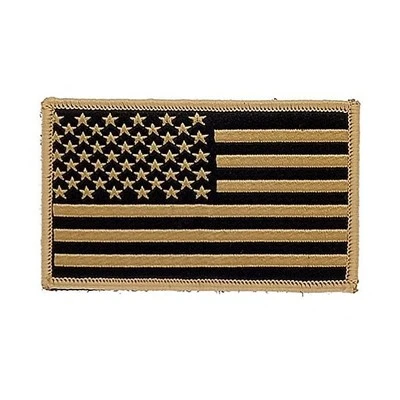
If you’re ready to place an order or just have questions about your custom 3D PVC patches, get in touch with our team to discuss your needs and get a custom quote.
Sew On Printing Patch References
- American Society for Testing and Materials. Standard Test Method for Tensile Properties of Plastics. ASTM D638, 2022.
- European Chemicals Agency. REACH Regulation (EC) No 1907/2006, Annex XVII: Restriction of Hazardous Substances in PVC. 2021.
- Outdoor Industry Association. Durability Standards for Performance Apparel and Accessories. 2020.
- International Organization for Standardization. Standard Test Method for UV Resistance of Plastics. ISO 4892-2, 2019.
- Textile Institute. Comparison of Durability Between Woven, Embroidered, and Thermoplastic Patches for Uniforms. 2021.
Yiwu Lanying Garment Accessories Co., Ltd.
As one of the most professional 3d pvc patch manufacturers and suppliers in China, we’re featured by quality products and good service. Please rest assured to wholesale premium 3d pvc patch at competitive price from our factory. Customized orders are welcome.
Address: F1,NO.448, Majiaotang Village, Houzhai Street, Yiwu City, Zhejiang Province, China 322000
E-mail: zhangchunyingzi@126.com
WebSite: https://www.embroideredpatchfactory.com/
