Hey there! I’m in the stamping robot business, and one question I get a lot is, "What is the weight of a stamping robot?" It might seem like a simple question, but the answer can be a bit more complicated than you think. Stamping Robot
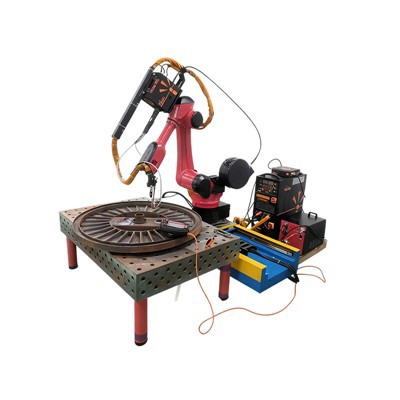
First off, let’s talk about why the weight of a stamping robot matters. The weight of the robot is closely related to its stability, strength, and the kind of workload it can handle. A heavier robot is generally more stable, which is crucial when it comes to precision stamping operations. If a robot isn’t stable, it can lead to inaccurate stamping, which means more defective products and less efficiency in your production line.
Now, the weight of a stamping robot can vary widely depending on several factors. One of the biggest factors is the size of the robot. Just like with people or animals, bigger usually means heavier. Larger stamping robots are designed to handle bigger and heavier workpieces, so they need to have a solid structure to support the weight and the force of the stamping process. These large robots can weigh anywhere from a few thousand pounds to over ten thousand pounds.
For example, if you’re dealing with automotive stamping, you’ll probably need a pretty hefty robot. Automotive parts are often large and require a significant amount of force to stamp. A stamping robot used in this industry might weigh around 8,000 to 12,000 pounds. This weight allows the robot to hold the large stamping tools firmly in place and apply the necessary pressure to create high – quality automotive parts.
On the other hand, if you’re working with smaller, more delicate stamping jobs, like in the electronics industry, you can get away with a lighter robot. These smaller robots might weigh anywhere from 500 to 2,000 pounds. They’re designed to be more agile and precise, and they don’t need to support as much weight or force as the larger ones.
Another factor that affects the weight of a stamping robot is the materials used in its construction. Most stamping robots are made of high – strength steel or aluminum. Steel is heavier but also stronger, so robots that need to handle a lot of force are often made of steel. Aluminum, on the other hand, is lighter and more corrosion – resistant. Some manufacturers use a combination of both materials to get the best of both worlds: the strength of steel and the lightness of aluminum.
The design of the robot also plays a role. Some stamping robots have a more compact design, which can reduce their weight without sacrificing too much strength. Others have a more open and robust design, which might increase the weight but also provide better stability and support for heavy – duty stamping operations.
Let’s take a look at the components of a stamping robot and how they contribute to its weight. The base of the robot is usually the heaviest part. It’s what provides the stability and support for the entire robot. The base needs to be heavy enough to keep the robot from tipping over during operation. The arm of the robot is also an important part. The length and thickness of the arm can affect its weight. A longer arm might be able to reach further, but it will also be heavier. The end – effector, which is the part of the robot that holds the stamping tool, can also add to the weight, especially if it’s a large or complex tool.
Now, you might be wondering how the weight of the stamping robot impacts its performance. Well, as I mentioned earlier, a heavier robot is generally more stable. This stability allows for more accurate stamping, which means fewer defects in your products. However, a heavier robot also requires more power to move. This can increase your energy costs and might limit the speed at which the robot can operate.
On the flip side, a lighter robot is more energy – efficient and can move faster. But it might not be as stable as a heavier one, especially when dealing with heavy workpieces or high – pressure stamping operations. So, it’s all about finding the right balance between weight, stability, and performance for your specific stamping needs.
As a stamping robot supplier, I’ve seen all kinds of customers with different requirements. Some are looking for a heavy – duty robot that can handle large – scale automotive stamping, while others need a lightweight and agile robot for small – scale electronics production. That’s why we offer a wide range of stamping robots with different weights and capabilities.
If you’re in the market for a stamping robot, it’s important to consider the weight of the robot in relation to your production needs. Think about the size and weight of the workpieces you’ll be stamping, the precision required, and your energy budget. We can help you figure out the best robot for your situation.
We have a team of experts who can work with you to understand your needs and recommend the right stamping robot. We can also provide you with detailed information about the weight, performance, and cost of each of our robots. Whether you need a small, lightweight robot or a large, heavy – duty one, we’ve got you covered.
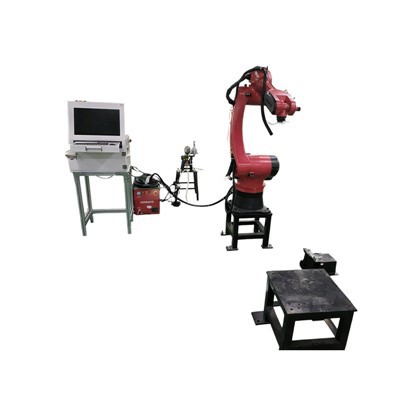
So, if you’re interested in learning more about our stamping robots or want to discuss your specific requirements, don’t hesitate to reach out. We’re here to help you make the best decision for your business. Let’s work together to find the perfect stamping robot for your production line.
Nail Gun Robot References:
- "Industrial Robotics: Technology, Programming, and Applications" by Peter Corke
- "Automation, Production Systems, and Computer – Integrated Manufacturing" by Mikell P. Groover
Dongguan Chuanglida Intelligent Equipments Co., Ltd.
As one of the most professional stamping robot manufacturers and suppliers in China, we also support customized service. Please feel free to buy discount stamping robot in stock here from our factory. For price consultation, contact us.
Address: Room 201, Building 2, No. 61, Shachang 1st Road, Dalang Town, Dongguan City, Guangdong Province
E-mail: haoguangli001@outlook.com
WebSite: https://www.boruntestech.com/
